What they were carrying
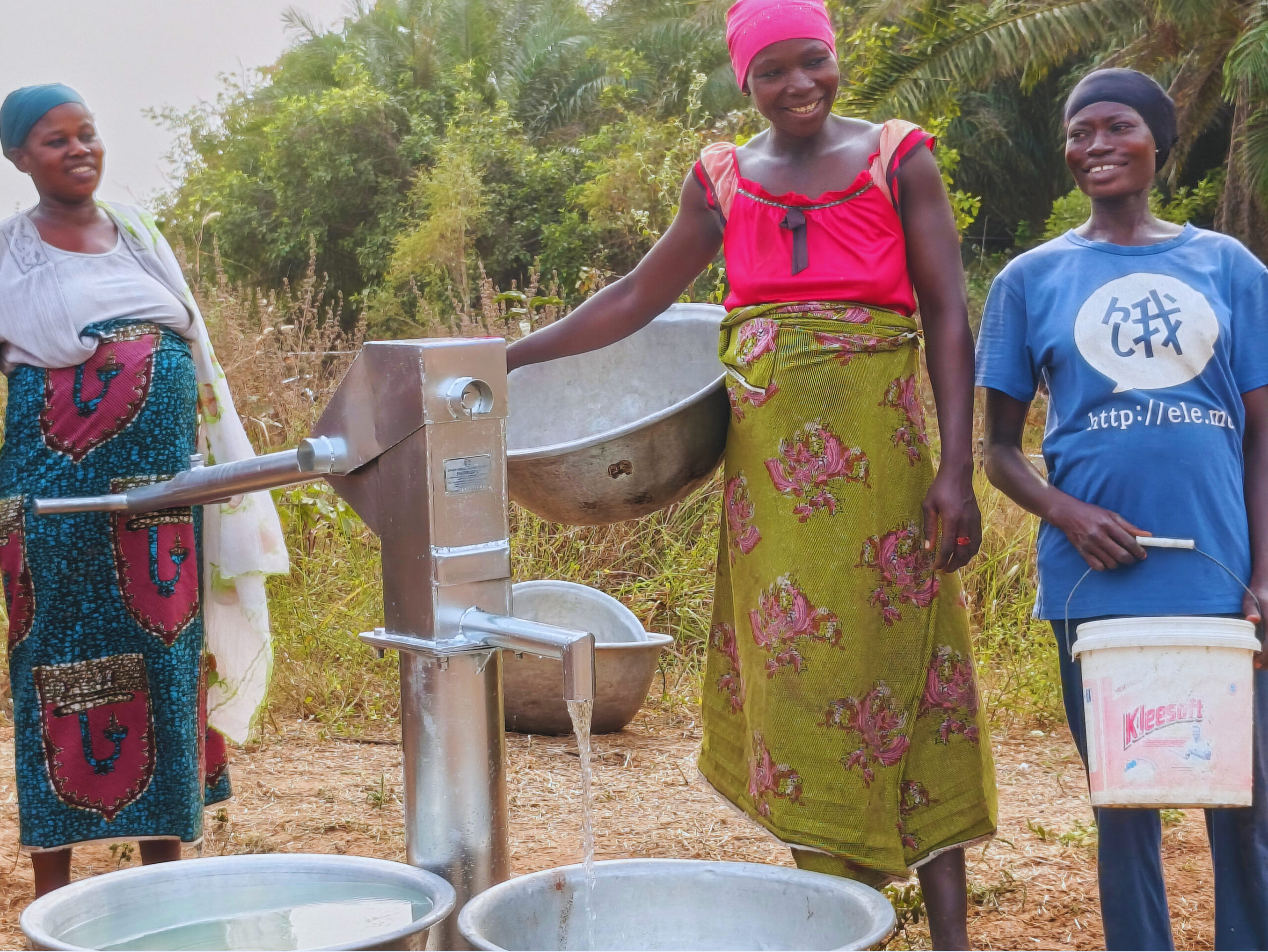
Abiba, Asana and Amina did not meet at the market. They met on the path to the stream.
In Kpanyasi, a farming community of 1,500 people in the Wulensi District of Northern Ghana, the nearest water was a stream and pond about a mile away, shared with livestock. All three women were pregnant, each at a different stage, and each still had to make that walk.
So they made it together.
Every trip carried risks.
The first was the load. A full container of water is heavy, and carrying it a mile home while pregnant strains the back and body. Studies of women who carry water through pregnancy have linked it to contractions and to babies born smaller than they should be.
The second was the water itself. A pond shared with livestock is a common source of stomach and gut infections. For a pregnant woman, an illness like that can end in a miscarriage.
With clean water now close to home, what they drink is safe, and the walk is short. Their babies are better protected before they are even born, and these three mothers can look ahead to a healthier future for their families.
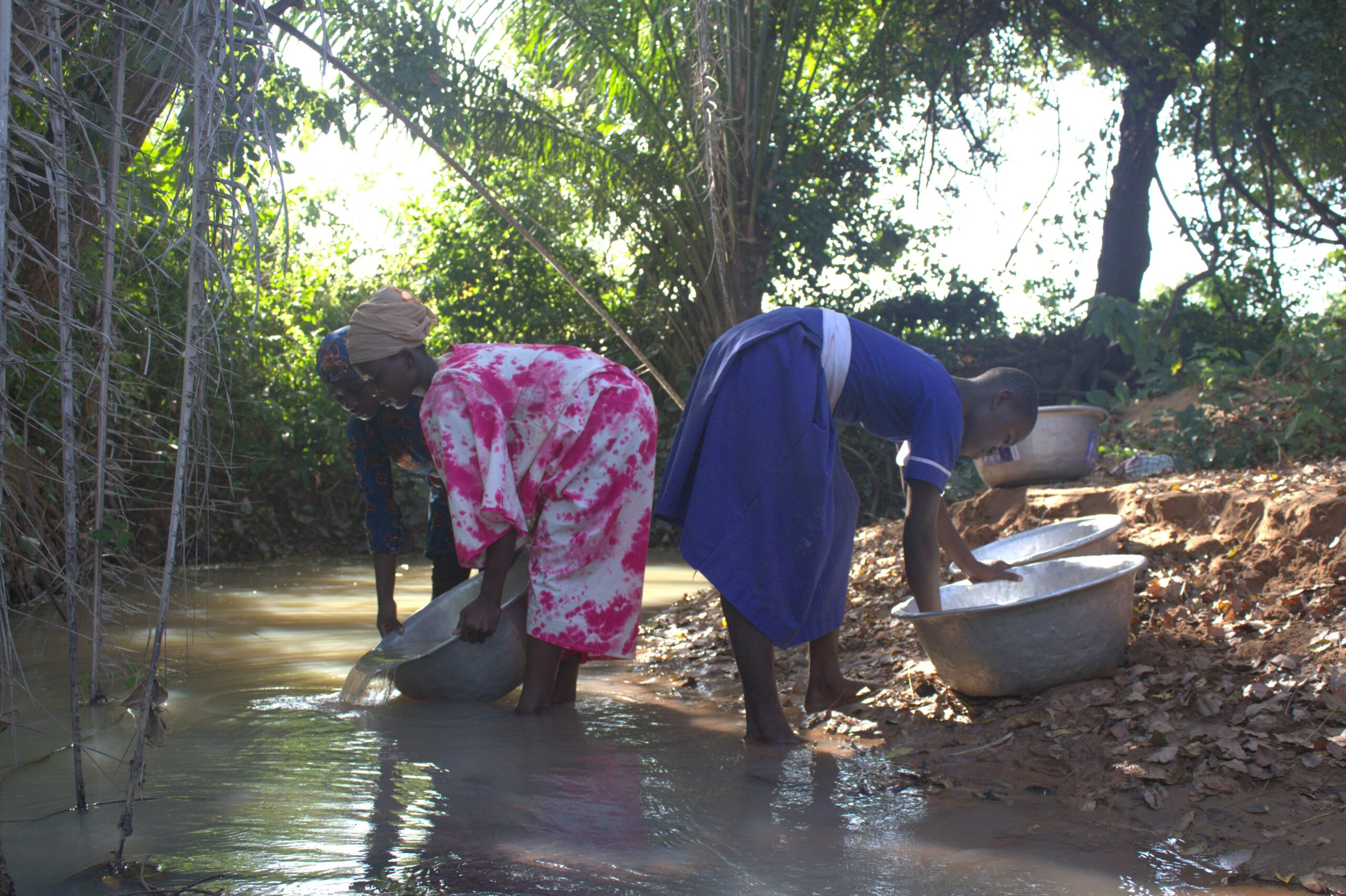
Women in Kpanyasi collecting water from a stream before clean water arrived close to home
Time, given back
For Ngnenbe, a 32-year-old mother, the day used to run one task at a time. The nearest water to Garikpe, her community of 1,250 people in the Nanumba District, was a pond half a mile away, shared with livestock. Washing meant going there. Cooking meant being home. Whichever came first, the other had to wait.
Now the borehole is close enough that she can do both.
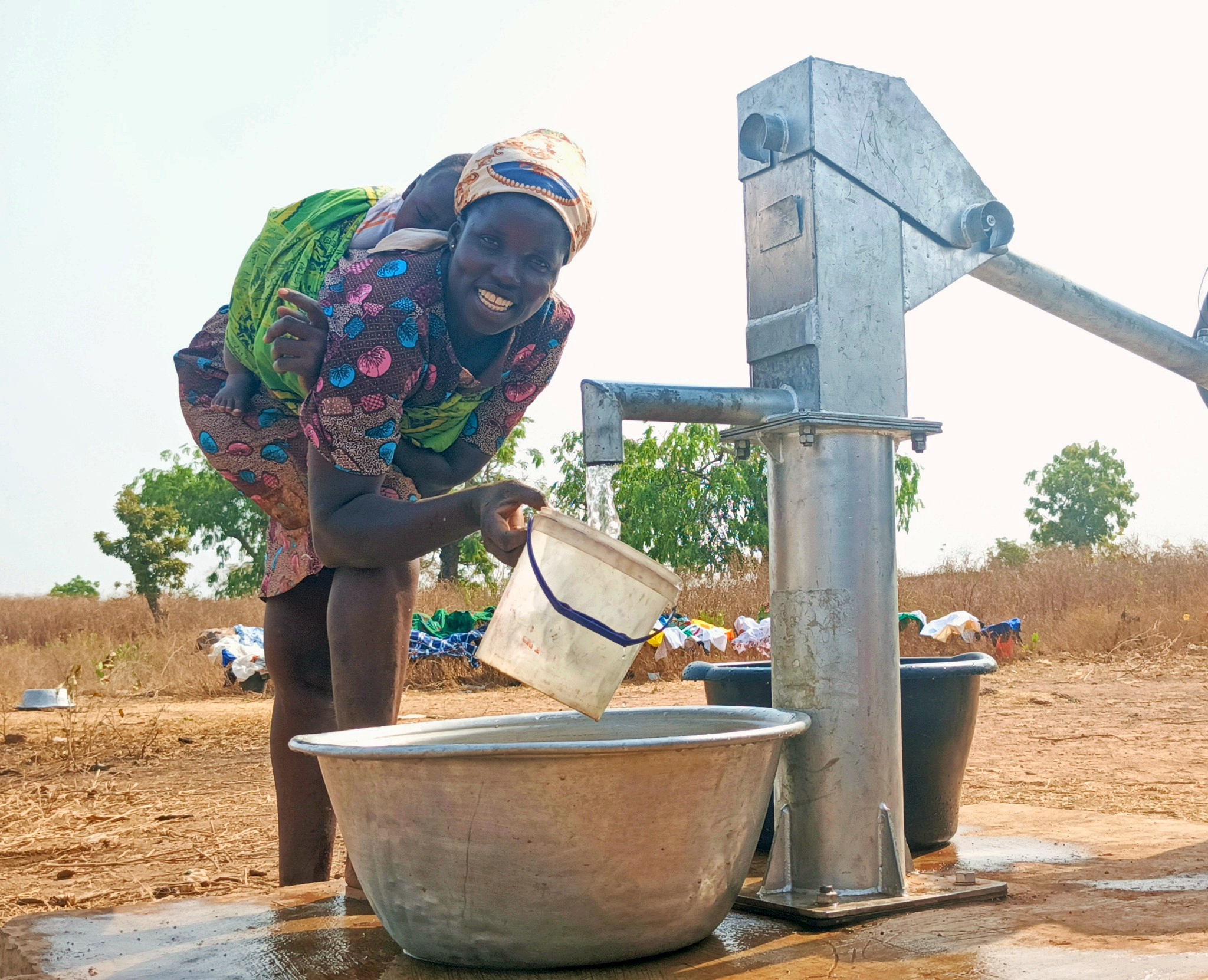
Women and girls are mainly responsible for collecting water.Women and girls are mainly responsible for collecting water. For most women in Northern Ghana, the day is full before it starts: collecting water, preparing meals, looking after the children and the household, often the farm, and sometimes the market too.
So when the water comes closer to home, what they get in return is precious. Time to earn a living. Time to care for her family. Time to take part in the life of her community. And time to decide for herself how her day is spent.
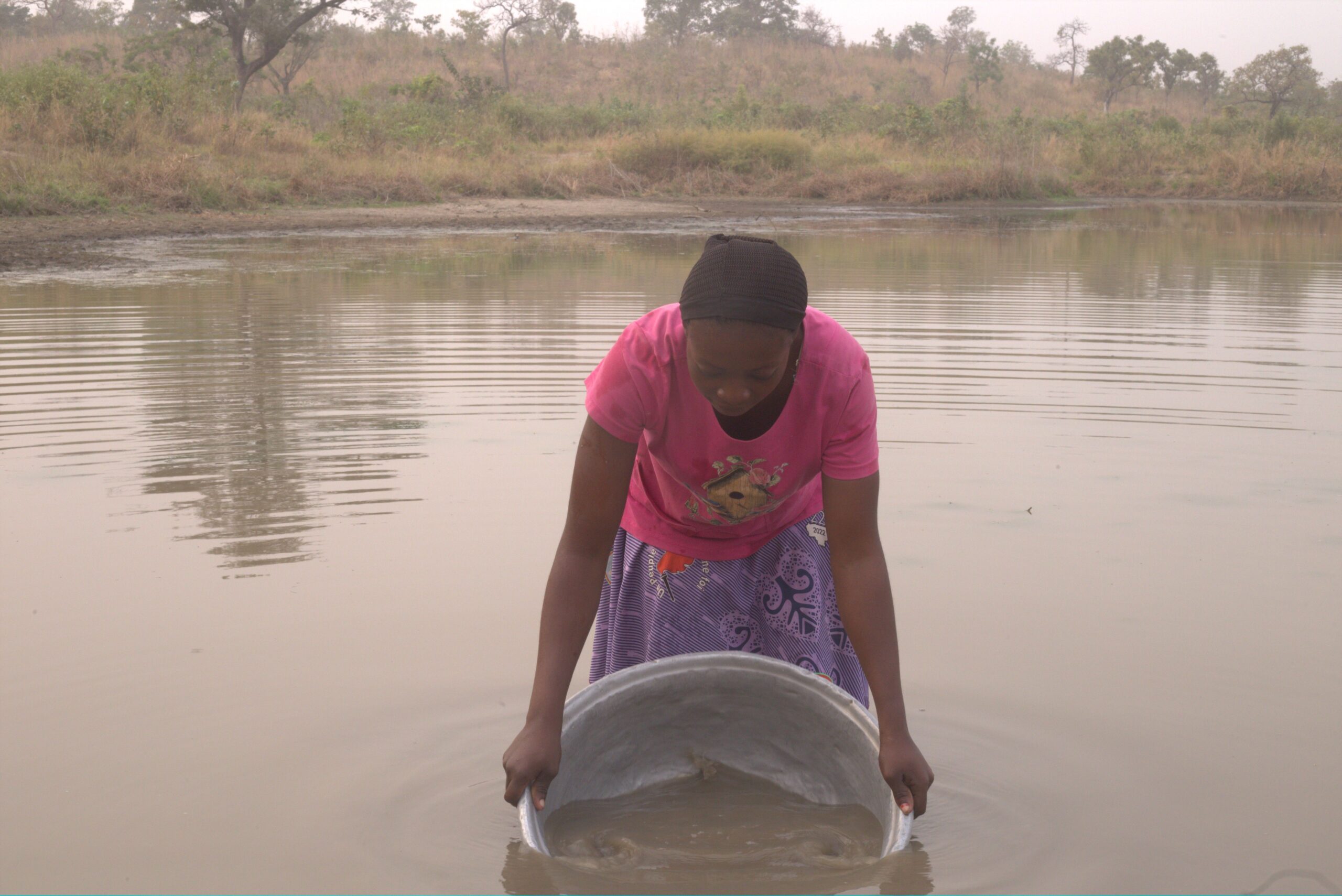
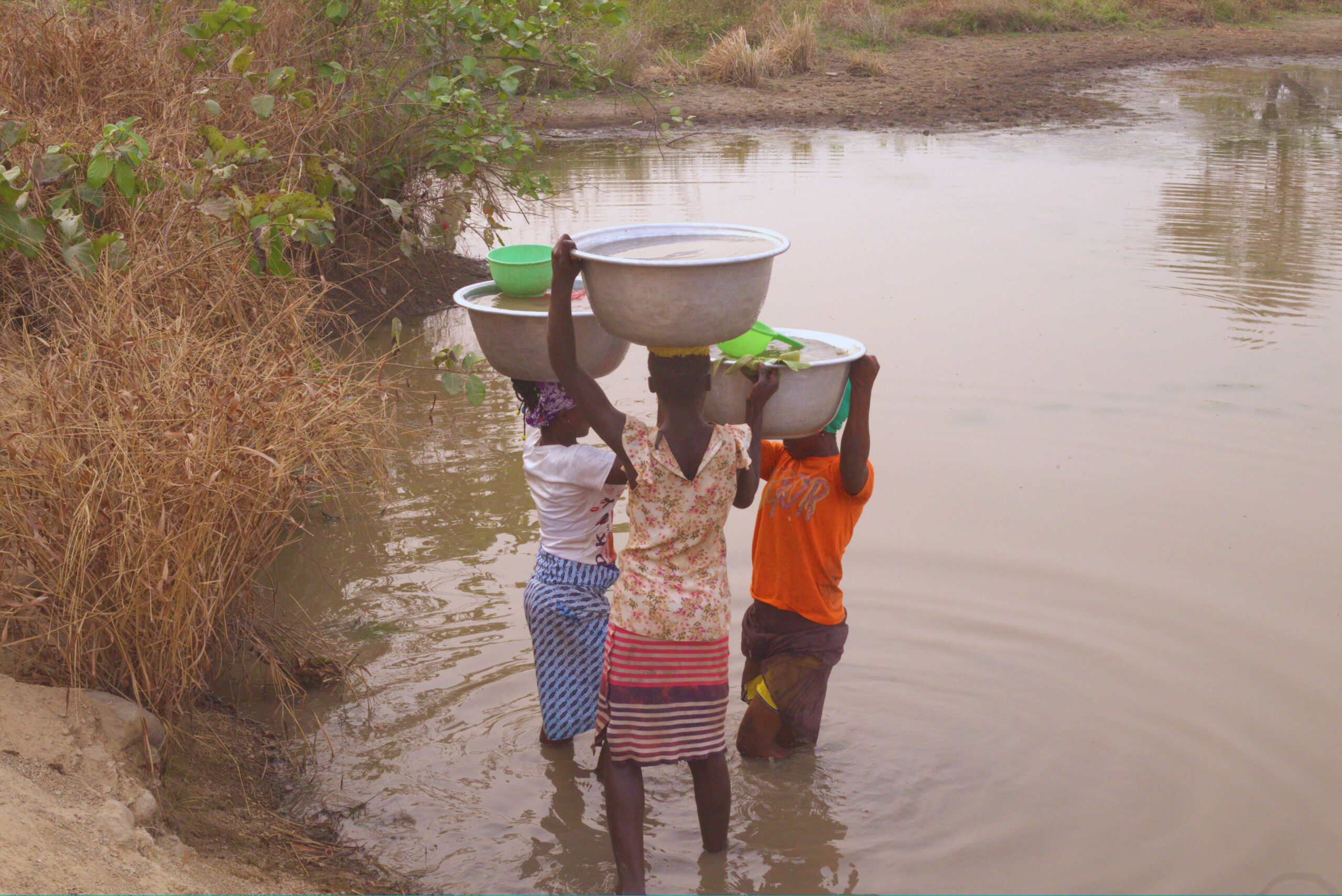
Women in Garikpe collecting water from a pond before the borehole arrived in their village
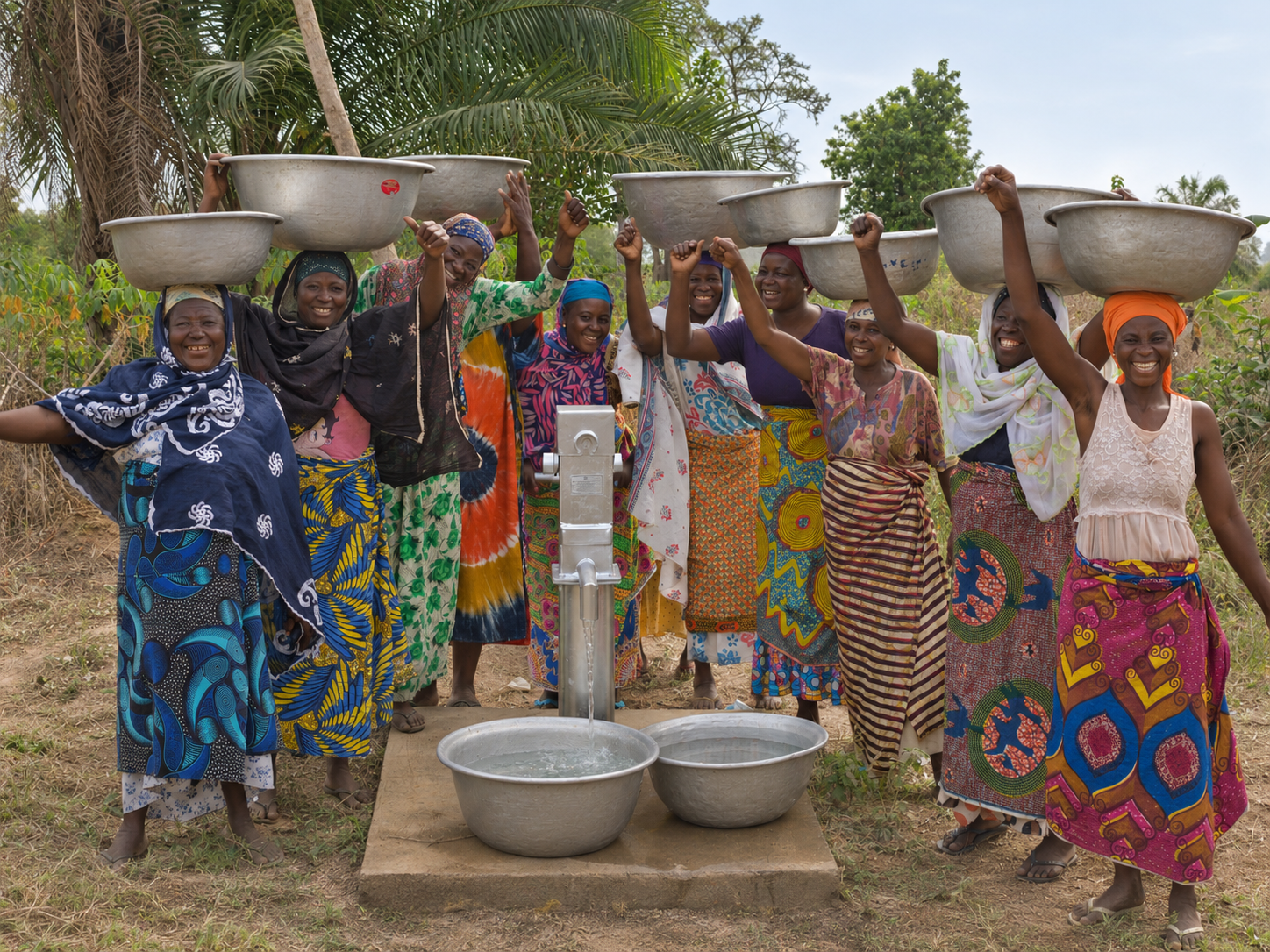
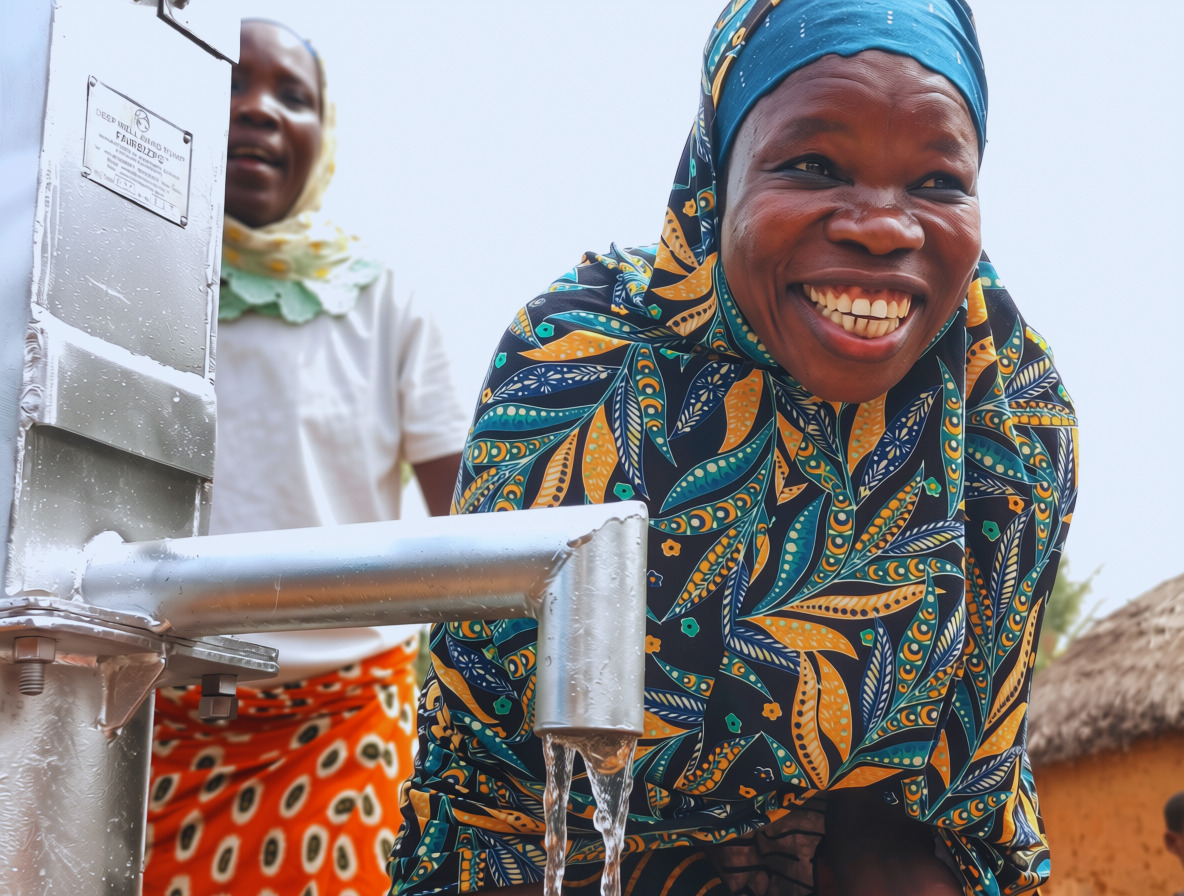
Women in Kpanyasi celebrating the arrival of clean water close to home
Abiba, Asana and Amina met on the path to the stream. Across Northern Ghana, women are still meeting there: walking the same distance, carrying the same weight, sharing the same water with animals.
A borehole close to home changes that. It keeps a pregnancy safer. It hands a mother back her morning. And it gives women time to put into everything else they hold together.
When you support Water for West Africa, you help bring clean water to the next community still making that walk.
Today, water is home in Kpanyasi and Garikpe. Help make it home for the next village.