It’s More Than Drinking Water: Clean Water Supports Schools, Livelihoods, and Conservation
A borehole looks like a simple thing. Water comes up; people carry it home. But in Northern Ghana, that single source sets off a chain of events that reaches much further simply drinking it, the food a community grows, the trees it plants, the income it earns, and the land it leaves for the generation coming up behind.
Clean water access is not just about clean water for drinking. It is where almost everything else begins
The farm is the classroom
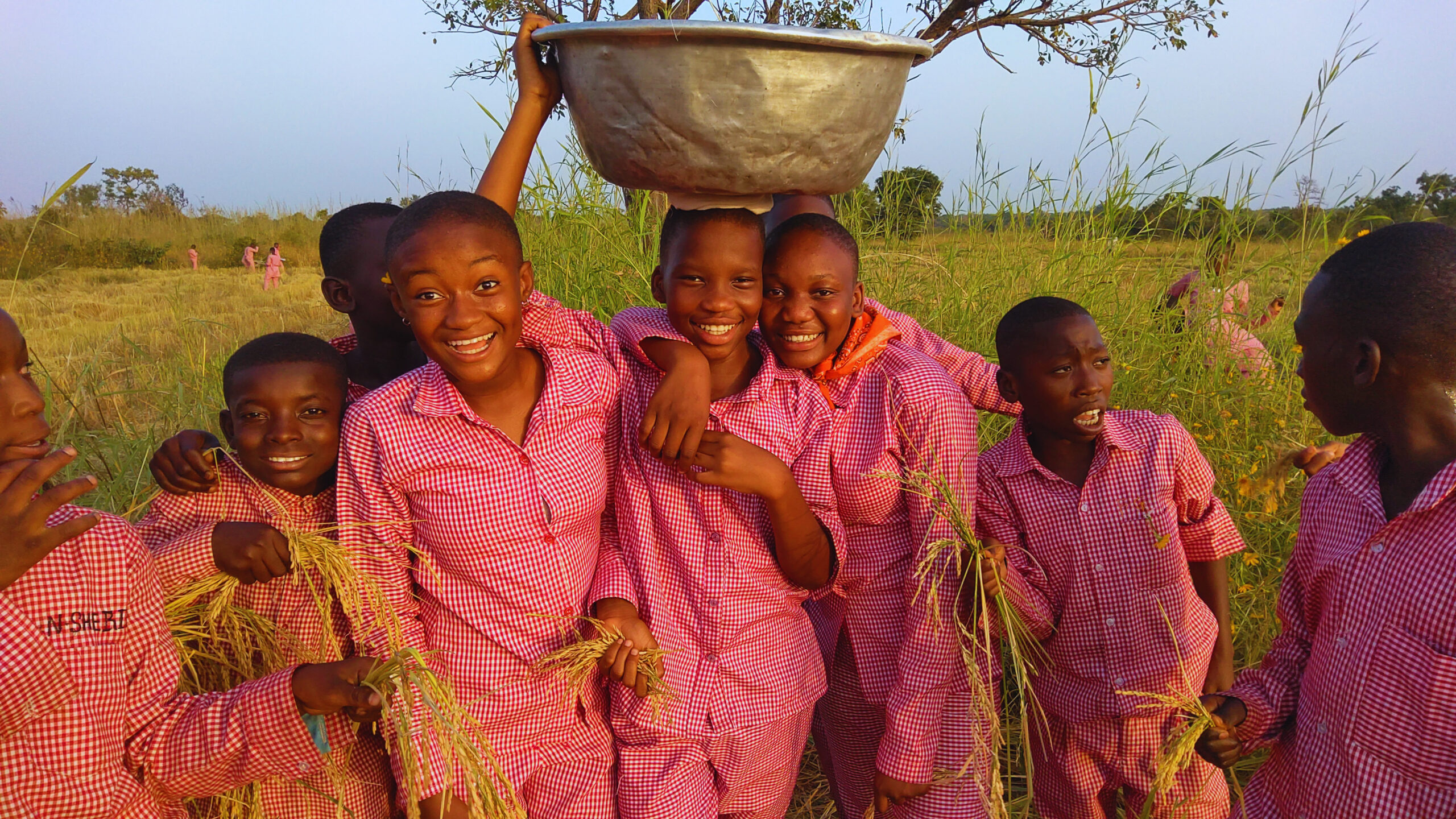
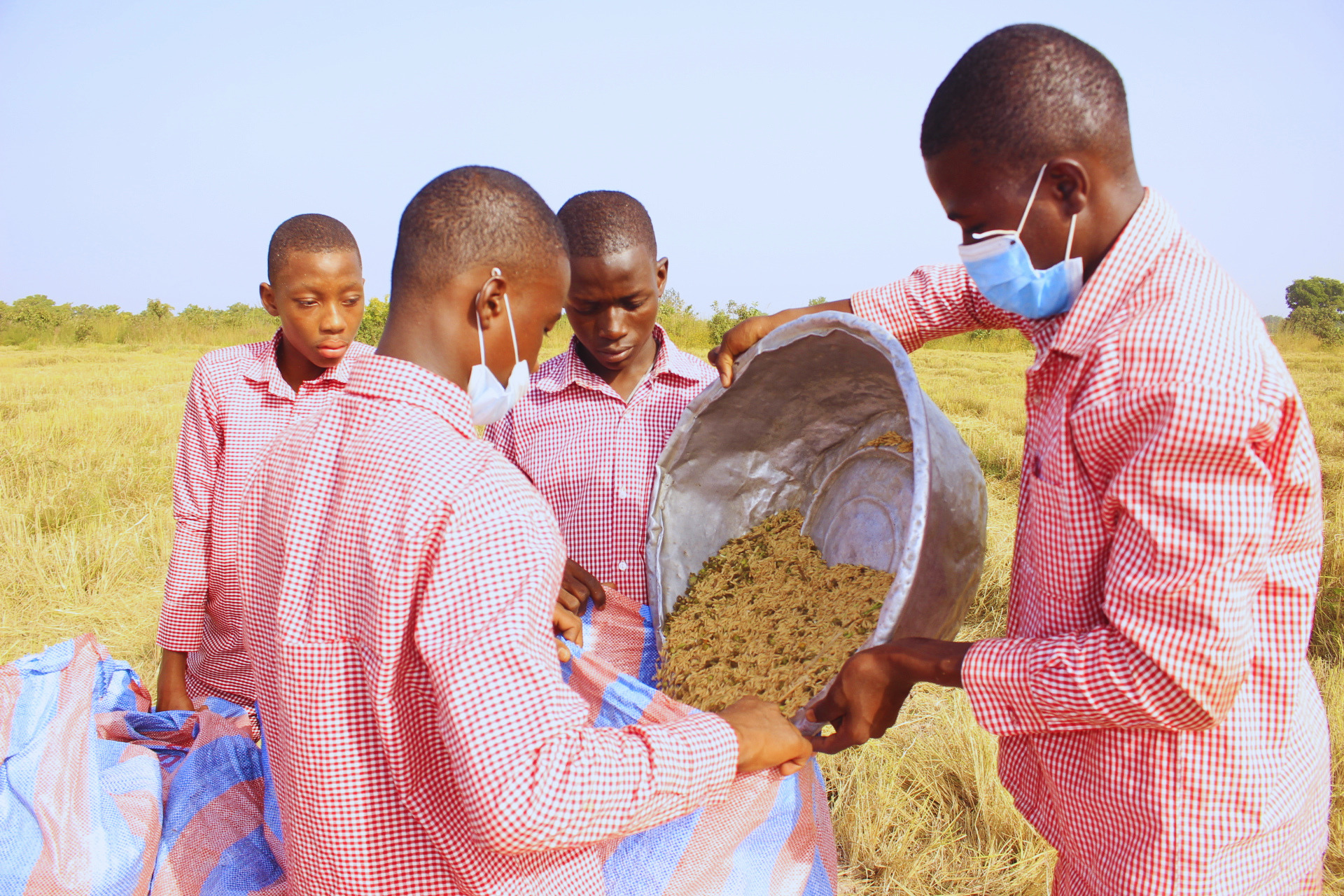
The school’s hands-on farming programme has been named National Best JHS in Practical Agriculture and held up by Yendi authorities as a model other schools should follow. Behind that success sits something simple: a reliable water source that makes a working farm possible on the school’s own grounds.
Students grow and harvest crops in the school’s fields, tend a fish pond, and grow vegetables, and each part feeds the next. The gardens supply the school kitchen. The fish pond does double duty: it provides food, and its nutrient-rich water is reused to irrigate the crops, serving as a natural fertiliser that boosts the harvest without costly chemical inputs. The result is a cycle that feeds itself.
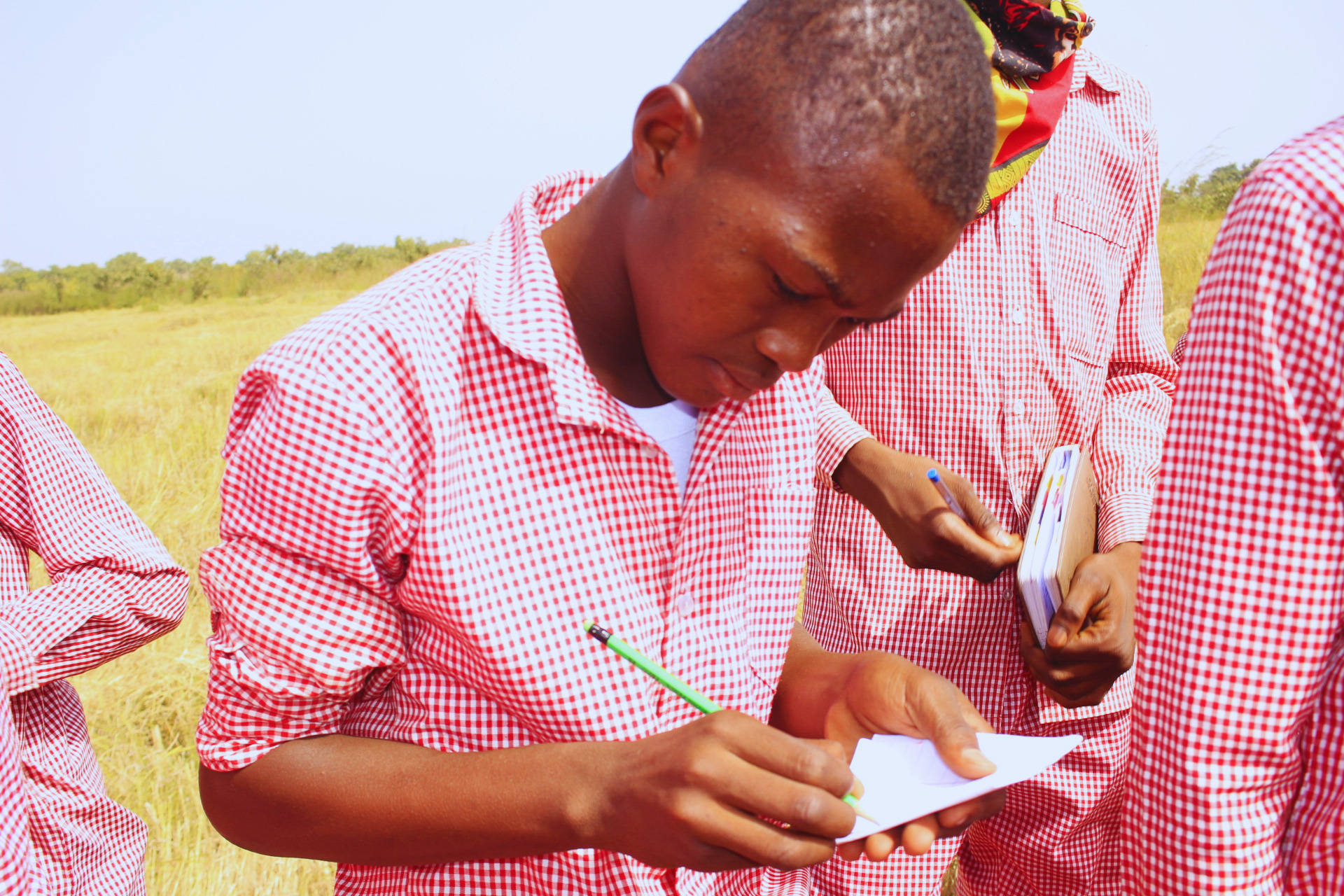
The students are not spectators in this. They plant, they tend, they harvest, learning skills they will carry home to their families and, one day, pass on to their own communities.
It is exactly the kind of school-based farming that Ghana’s national Feed Ghana Programme, launched in 2025, hopes to see take root across the country, and here, in one school in Yendi, it is already working.
The tree that feeds a livelihood
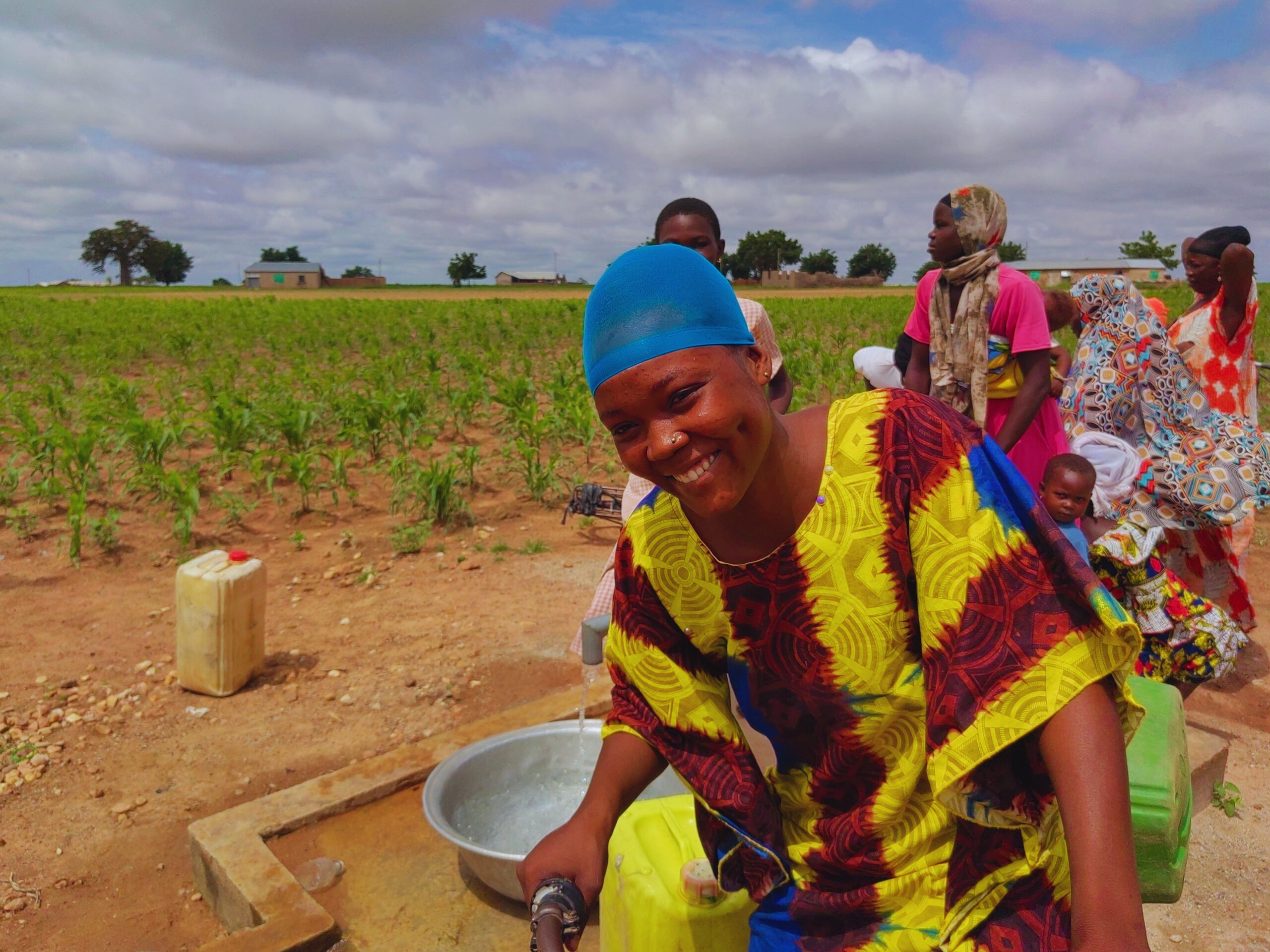
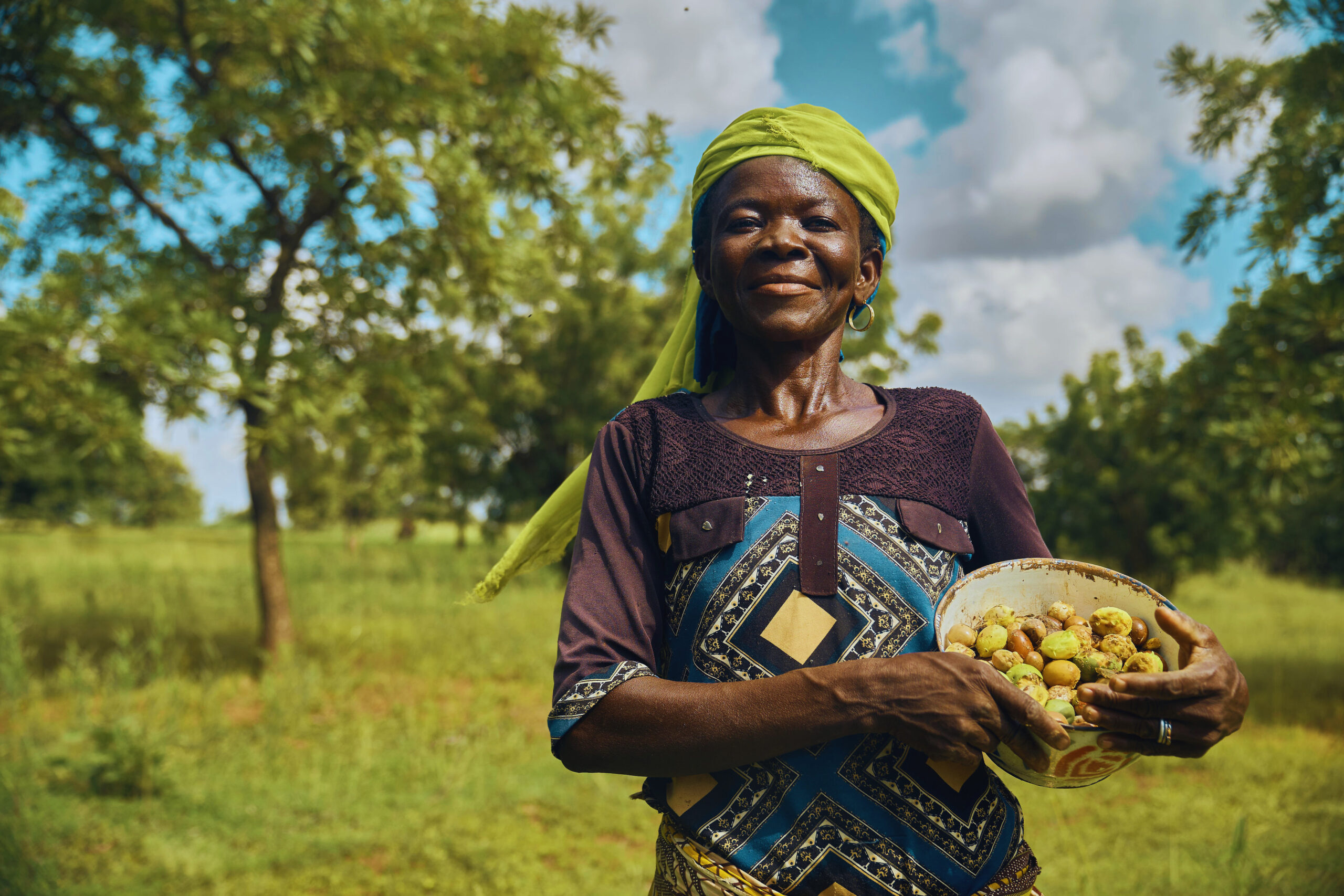
The same water that grows food can also help protect how a community earns its living. Across Northern Ghana, the shea tree is so central to daily life that it is often called the women’s tree: millions of women depend on shea nuts for income and for feeding their families.
Yet the trees they rely on are under growing pressure from drought and from being cut for charcoal, and they are being lost faster than they are replaced. For the women whose livelihoods depend on shea, every tree lost is income lost.
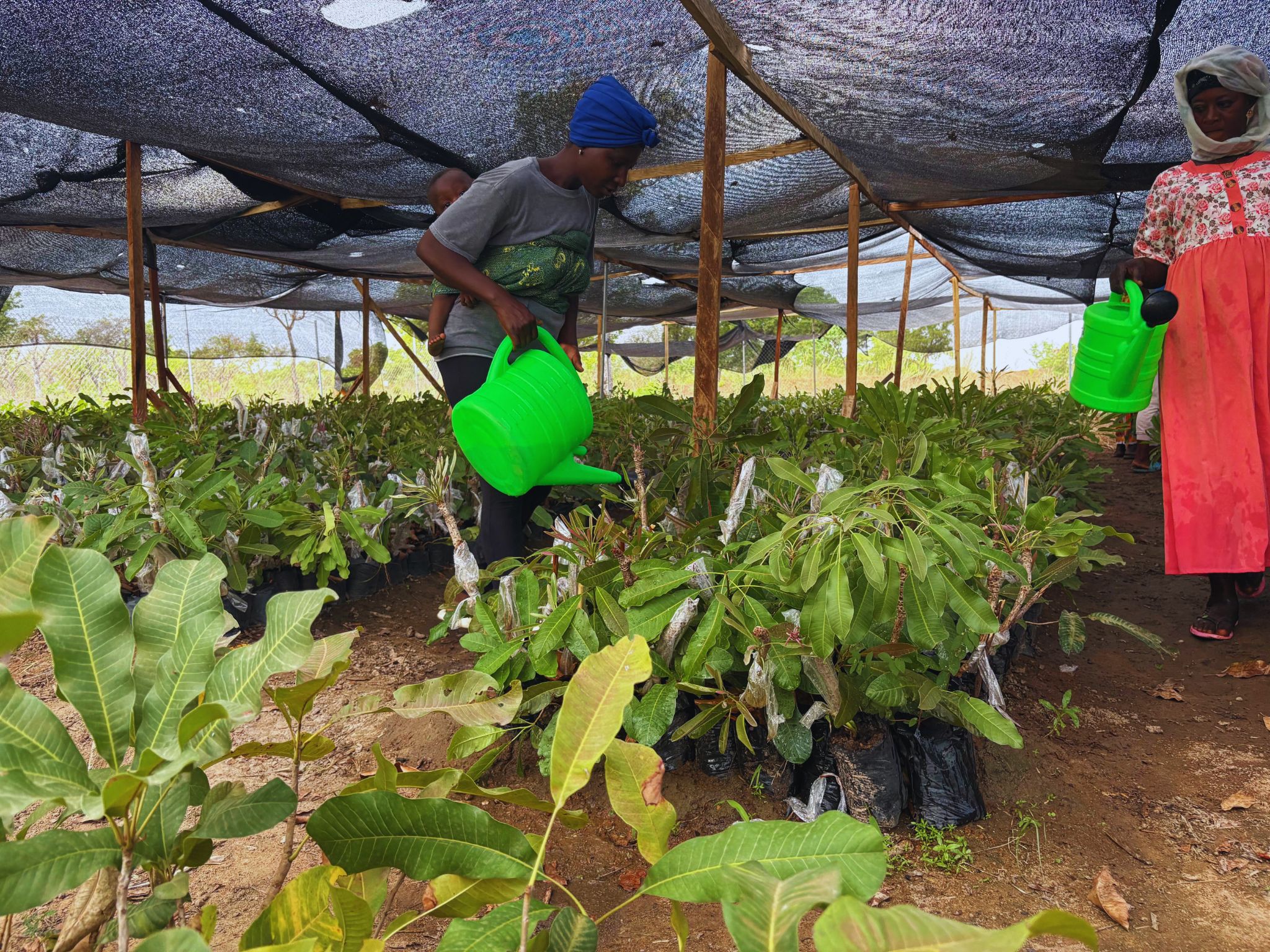
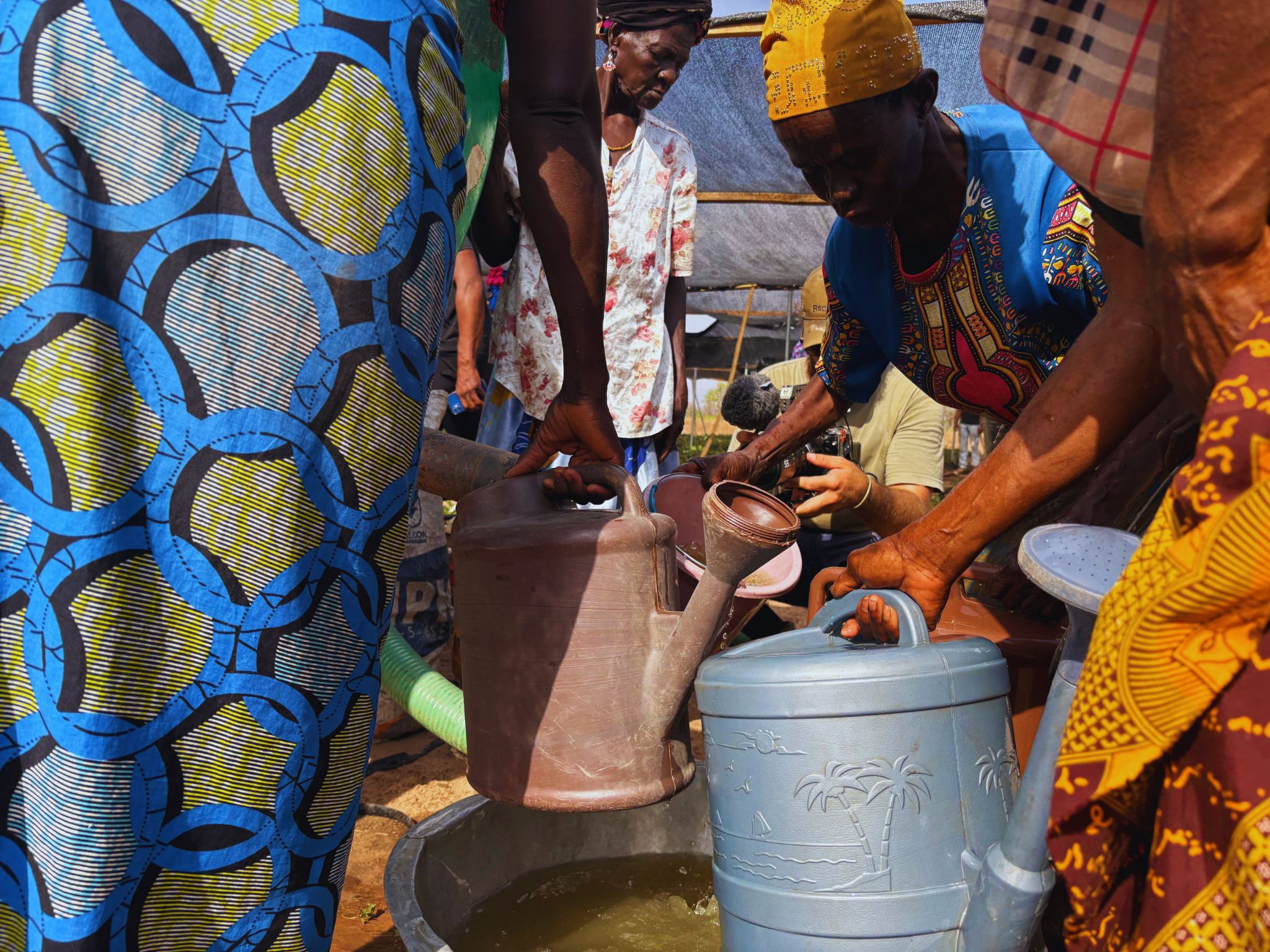
Where there is water, that decline can begin to be turned around. Tree nurseries, shea alongside other useful, fruit-bearing species, become possible, and young trees can be raised and planted out to replace what has gone. It is slow work; a shea tree takes years to bear. But a seedling planted today is an investment in a daughter’s income tomorrow, and in a trade that has sustained women in this region for generations.
Learning to protect the land
There is a wider system at work here, and it is one the next generation is growing up inside. Northern Ghana is home to protected landscapes such as Mole National Park and the wildlife corridors that run through the region. When water is scarce and land is failing, families come under economic pressure that can push them toward charcoal burning, overgrazing, and hunting the very things that wear these landscapes down.
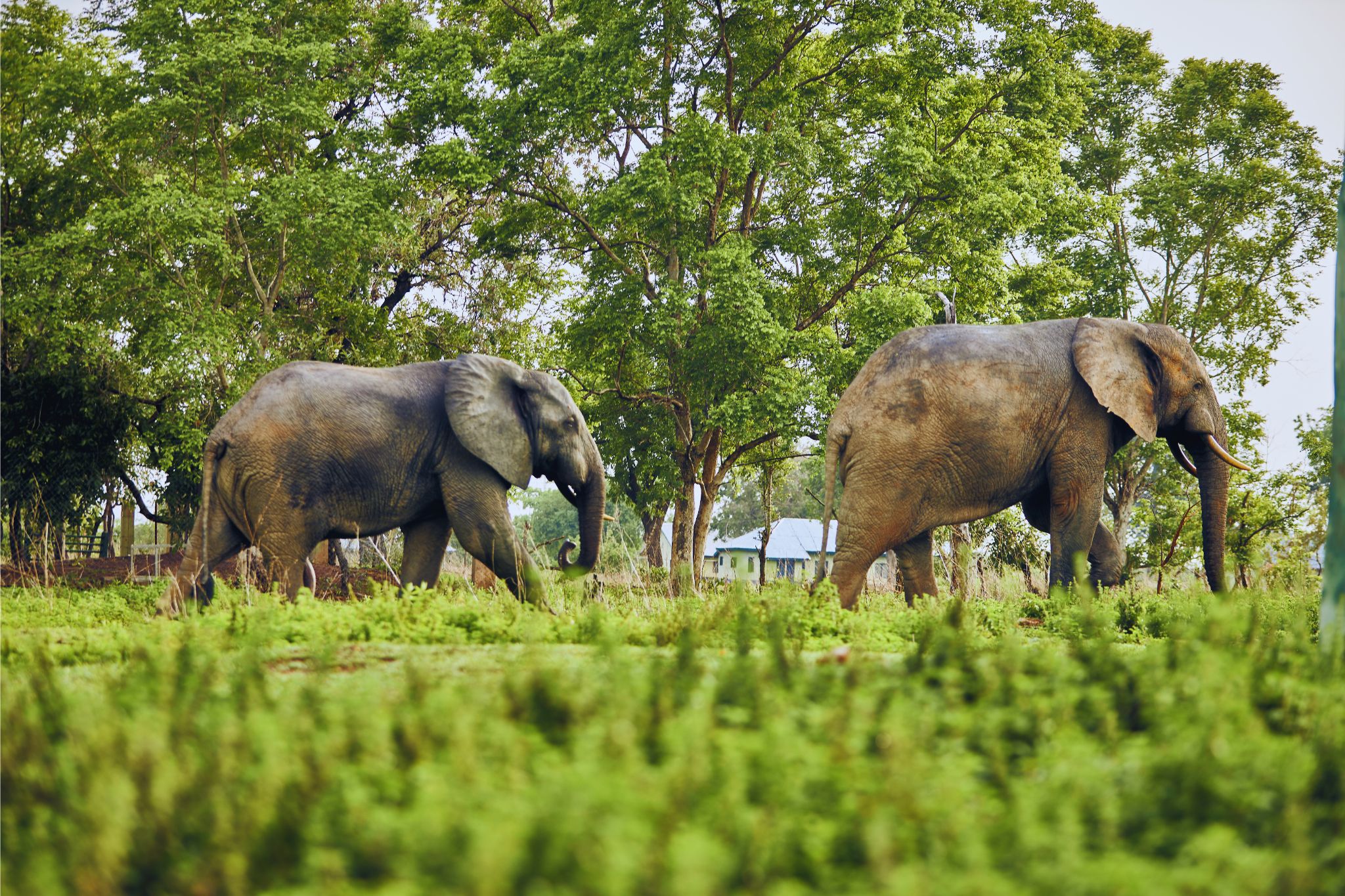
When a community has water and a way to make a living, that pressure eases. And when young people learn, hands in the soil, that water, food, forests, and wildlife are all part of one connected system, conservation stops being a rule imposed from outside. It becomes something they understand as part of their own future.
That is the quiet power of getting the first ingredient right. Water does not only fill a cup or grow a meal. It steadies a livelihood, and a steadied livelihood is what lets a family choose the long view to plant a tree rather than fell one, to protect the land rather than strip it.
What grows from here
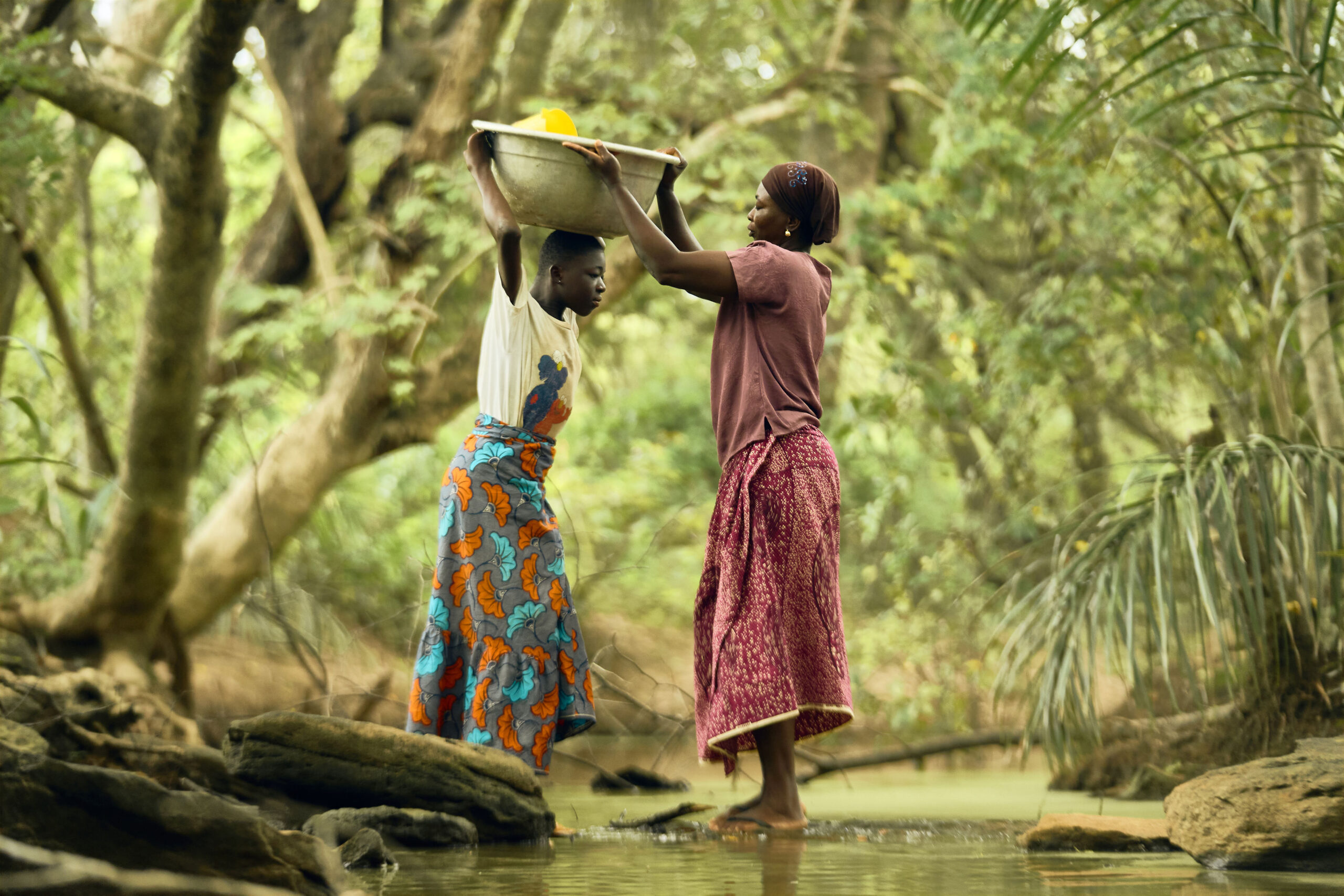
From a clean water source, a school farm turns out its harvest, a shea seedling is nursed toward fruit it will not bear for years, and a teenager learns that earning a living and caring for the land can be the same act. Water is where the whole chain starts.
That is what a gift to Water for West Africa really buys. Not a pump and a promise, but a school that feeds itself, a trade handed down to the next generation of women, and students who will farm, plant, and lead long after the drilling rig has moved on.
Water is where it starts. The future it opens up is theirs.