Health & Sanitation: Stronger Families Through Clean Water
Across Northern Ghana, access to clean water is improving health for entire communities. This month, we’re celebrating how Water for West Africa’s partnership with Healing Hands International, Ghana Health Service, and UNICEF is transforming maternal care, nutrition, hygiene, and disease prevention in the districts we serve.
Water doesn’t just quench thirst. It protects mothers, nourishes children, and strengthens the health systems rural families rely on. Every new borehole and every hygiene lesson creates ripples of wellbeing that last for generations.
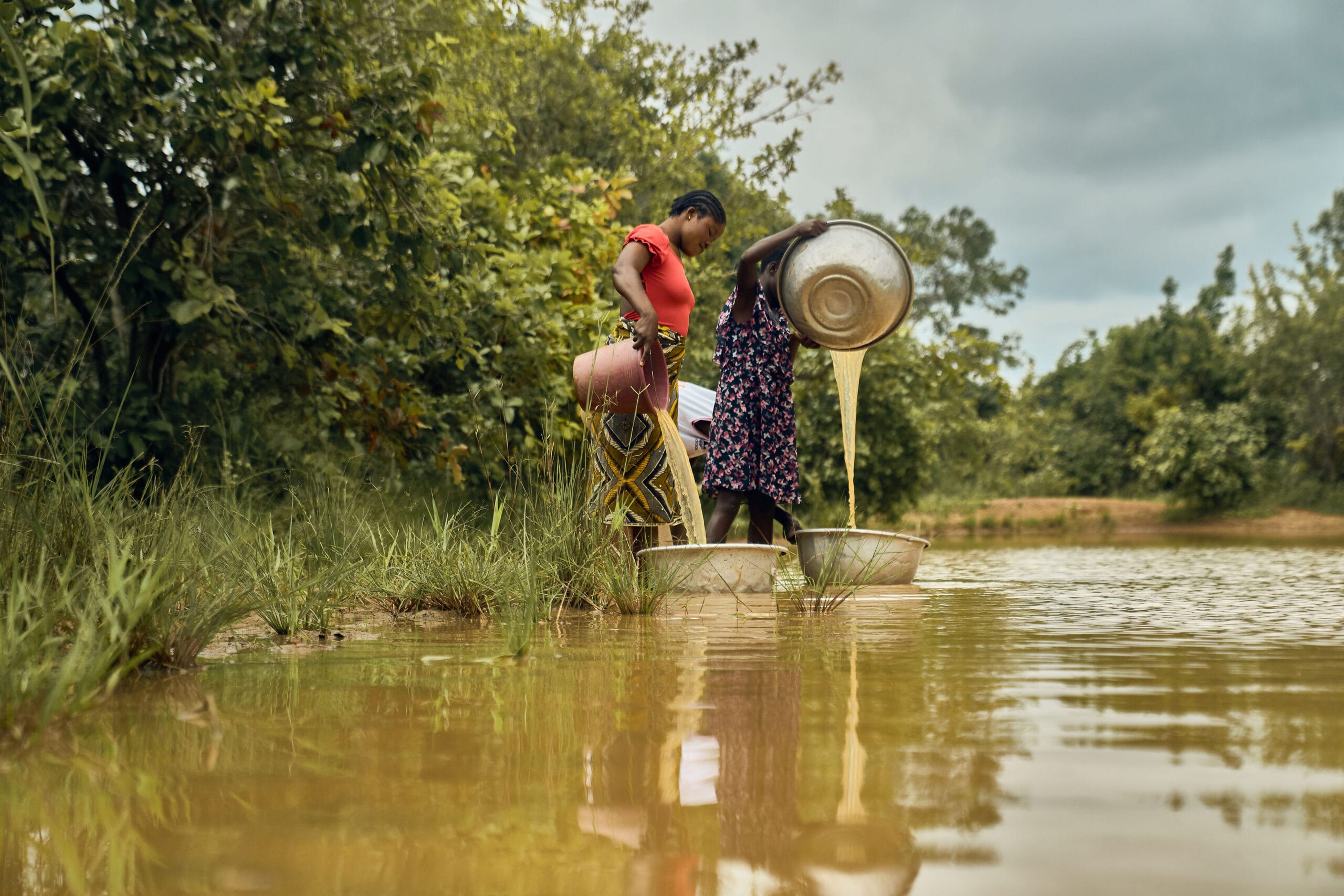
Title photo credit: calebmensah.com
Clean Water and Maternal Health
In clinics and CHPS compounds across the Northern Region, midwives once struggled to perform safe deliveries with limited water for washing hands, cleaning instruments, or supporting new mothers. Today, thanks to reliable borehole water and sanitation training delivered alongside Ghana Health Service teams, maternity wards are safer environments for both mothers and newborns. Health workers report fewer infections after childbirth, more women delivering at the clinic rather than at home, and greater confidence among expectant mothers who know they will receive dignified, hygienic care. Clean water is becoming a cornerstone of maternal wellbeing.
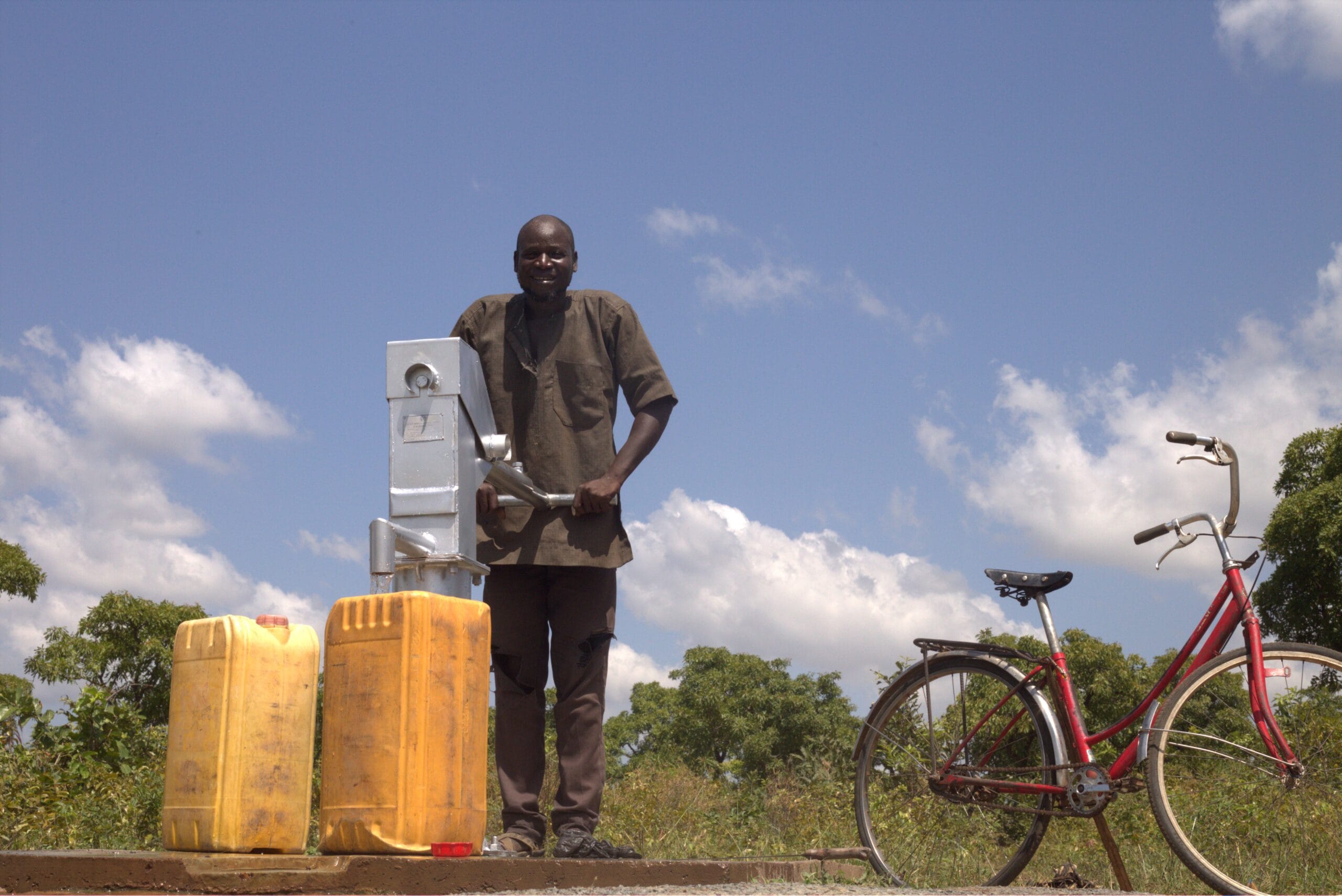
For families in the Osunudo community in Northern Ghana, this connection between water and maternal health is deeply personal. Kimikyi, a 53-year-old father, shared how the new borehole arrived at exactly the right moment for his household.
Before the well, caring for a newborn meant long walks for water from unsafe sources, increasing the risk of infections and exhaustion for fragile mothers. With clean water now just steps away, families like Kimikyi’s can support newborns with the hygiene and care they deserve.
Protecting Children from Waterborne Disease
Across Northern Ghana, children are among the most affected by unsafe water. Without clean water, young ones face constant threats from diarrheal disease, typhoid, and infections that can interrupt their schooling, strain families, and overwhelm rural clinics. This month, our focus on Health, Nutrition & Sanitation comes to life through the stories from the Ntorodu and Worivi communities, where clean water is already protecting the next generation.
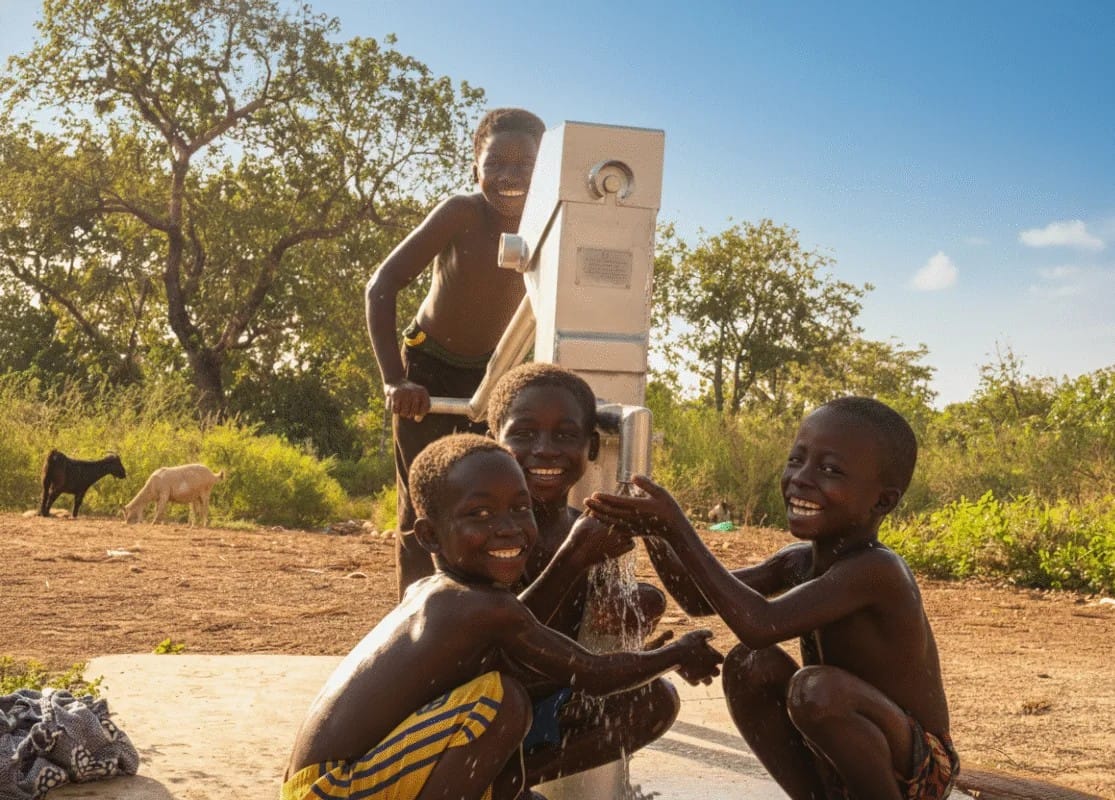
In Ntorodu, a small rural village of around 958 people, little Janet’s mother shared how the new borehole has “saved her by reducing her countless visits to the health centre.” Before clean water arrived, Janet frequently fell ill from unsafe water sources, and her mother often made long, anxious trips to the clinic. Today, safe water is part of Janet’s daily routine. Families can wash hands, clean utensils, and bathe their children without relying on distant streams. Simple hygiene practices that Ghana Health Service encourages are now finally possible, and children like Janet can cool off and wash safely, avoiding contaminated water that once caused sickness.
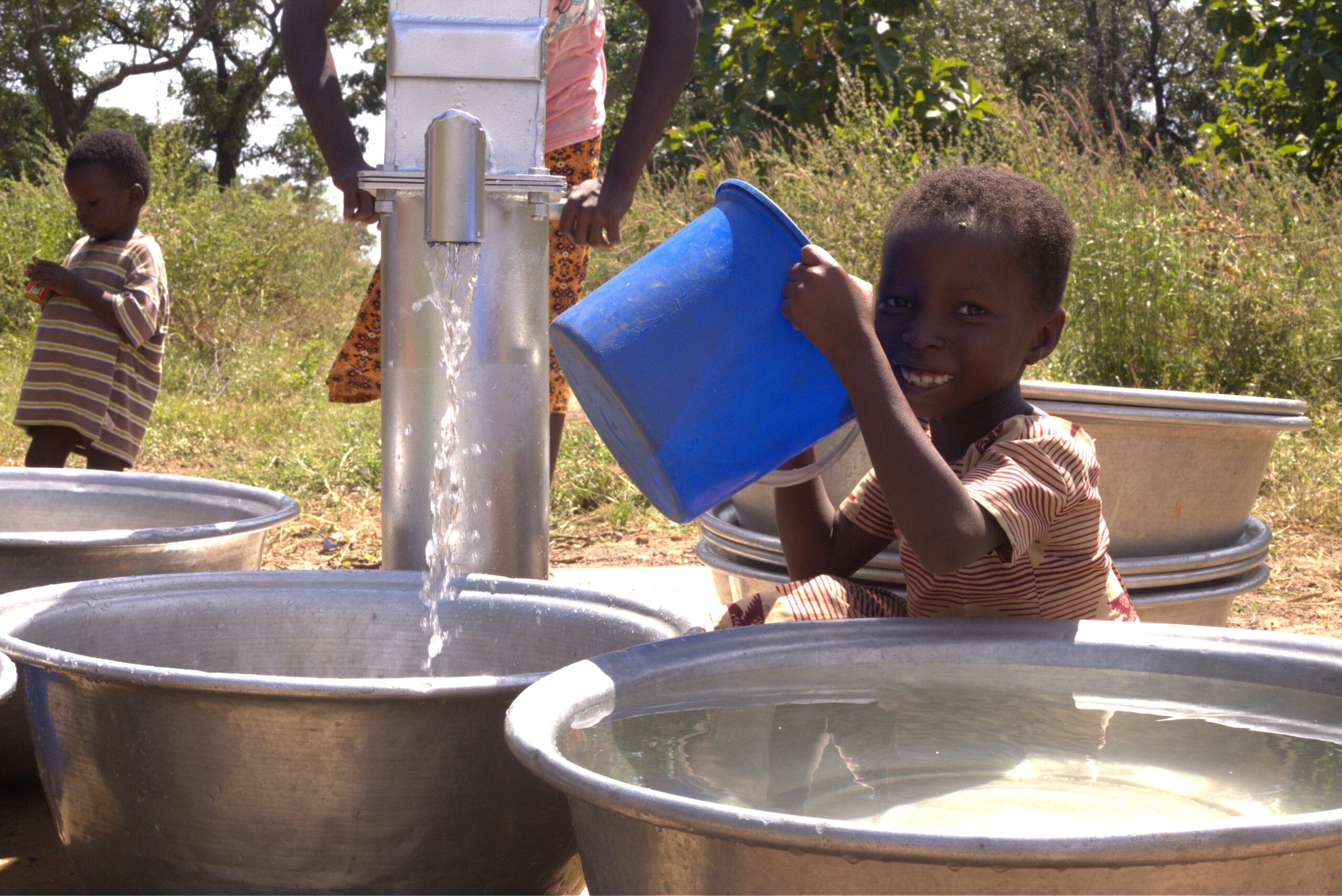
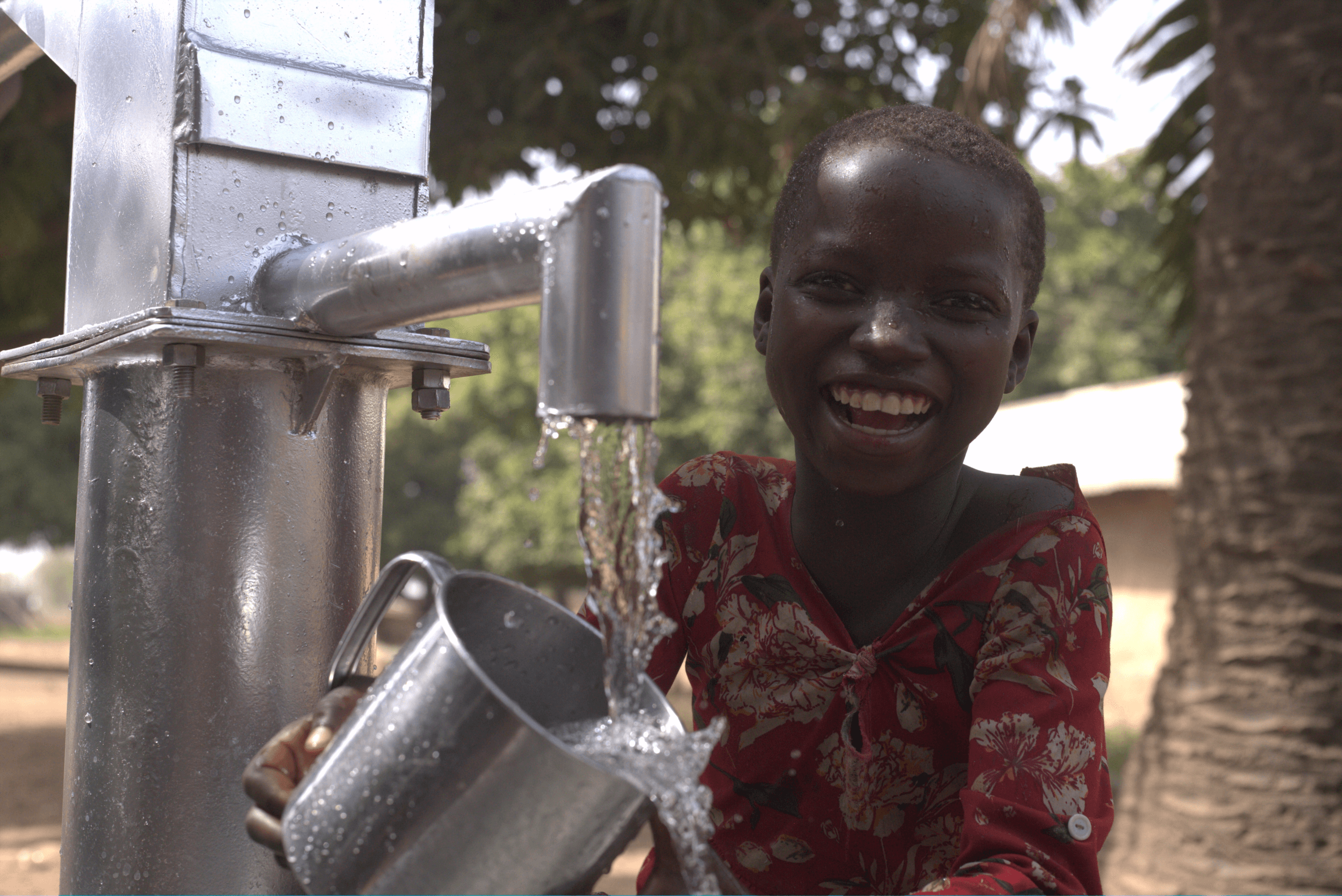
Janet, a young child in the Ntorodu community who was often getting sick from drinking dirty water, is very excited to drink clean water from their new borehole.
The story is echoed in Worivi, a small farming community of around 700 people, where the arrival of clean water brought both healing and relief. Taasi, a mother from the village, talked to us about the heartbreaking loss of her niece to a preventable waterborne disease. Standing by the new borehole, she couldn’t hold back her joy. Clean water is now the first line of defence against cholera, dysentery, and typhoid. With water nearby, families can safely wash utensils, clean latrines, and store drinking water, essential practices that turn a well into a community-wide shield for health.
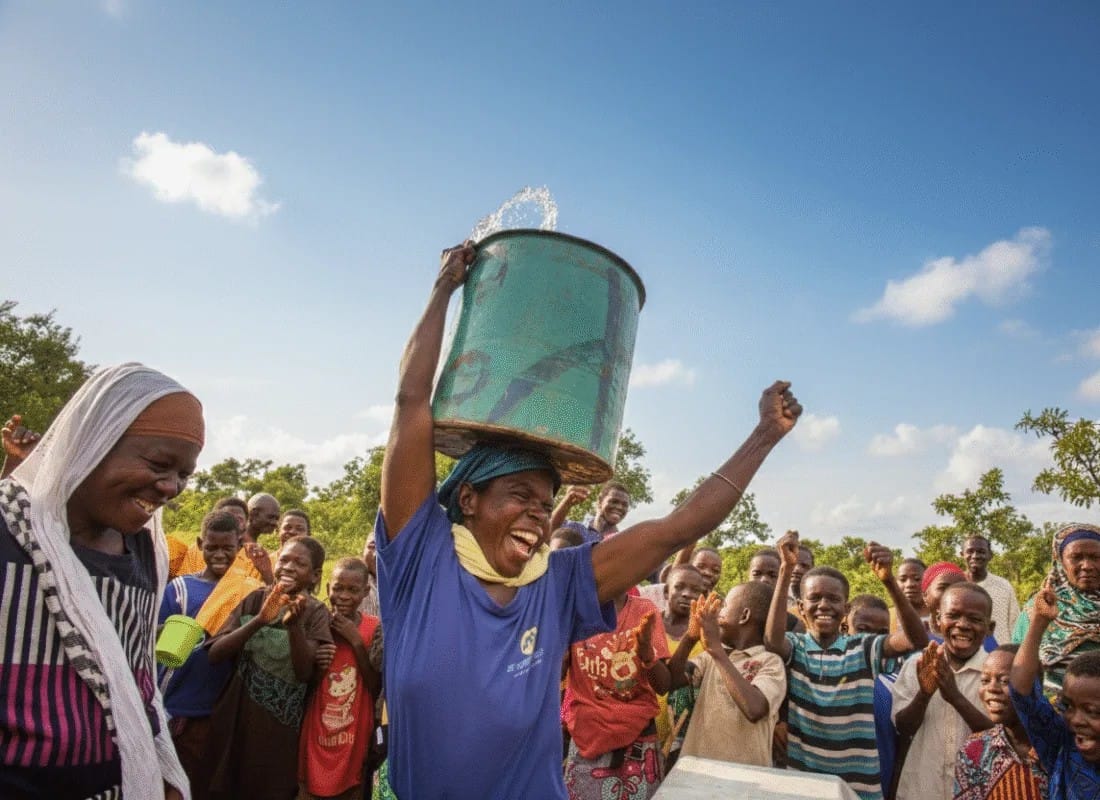
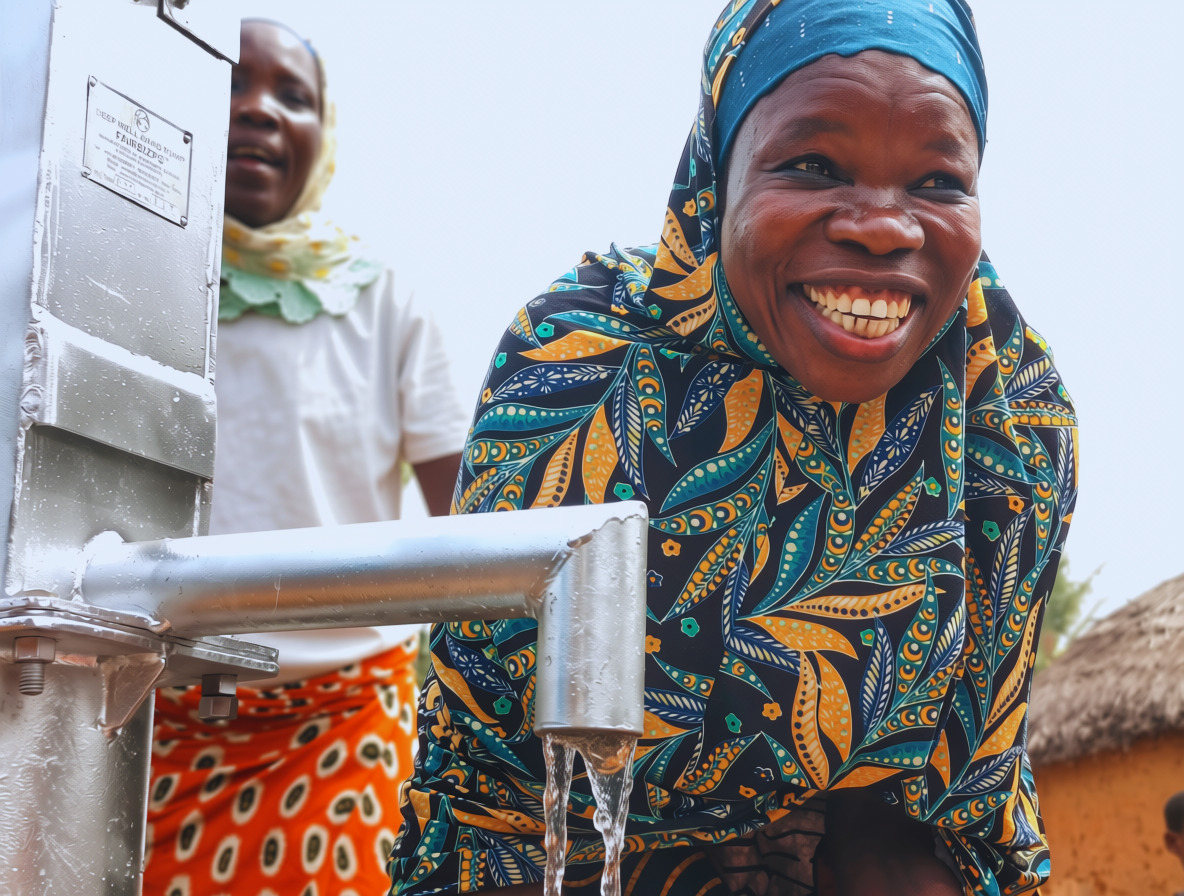
Taasi, a 52-year-old mother from the Worivi farming community, is celebrating the new access to clean water provided by your support.
Empowering Children as Hygiene Champions
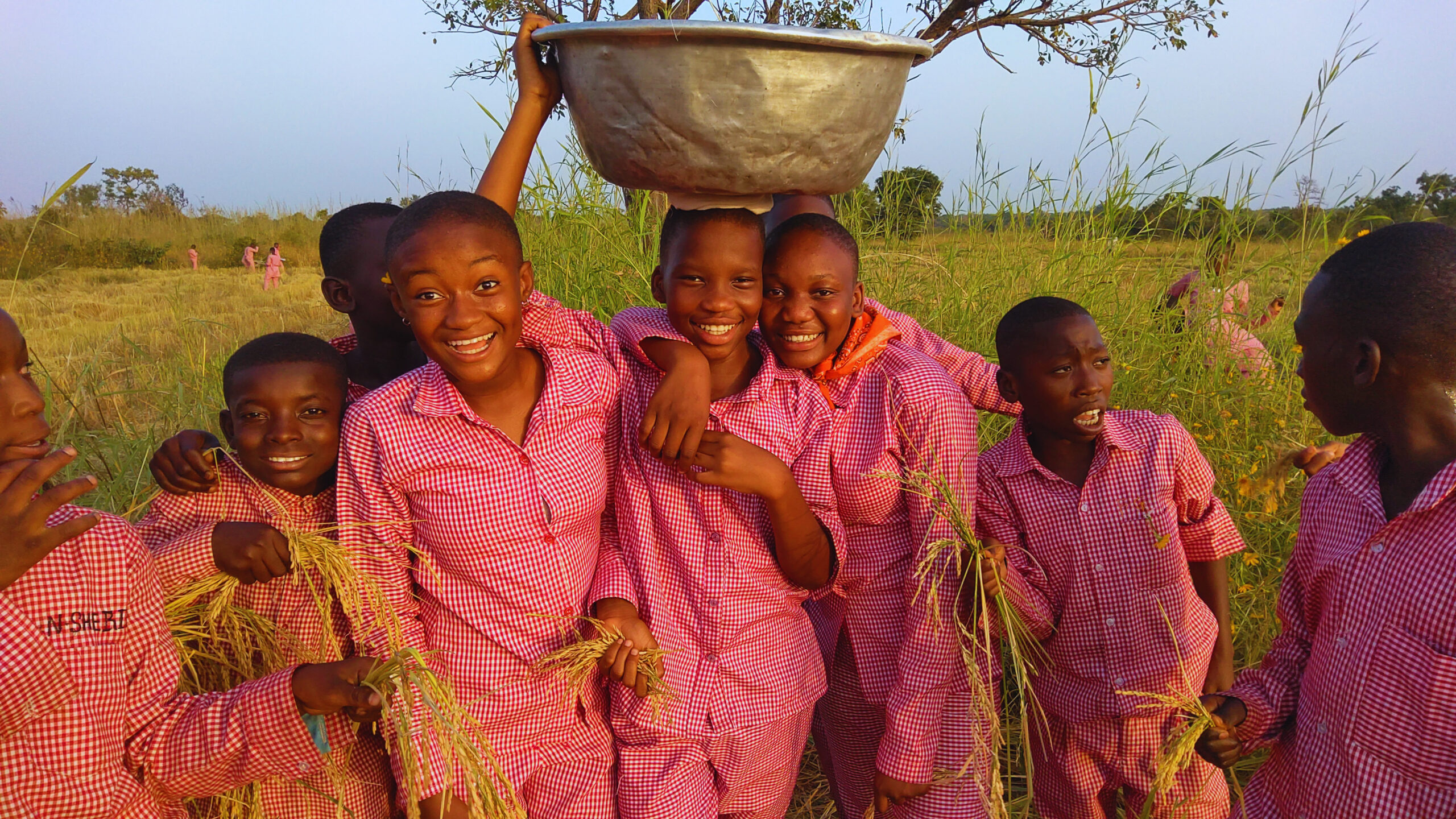
Across schools in the Northern Region, teachers and health workers are becoming powerful agents of change. Supported by Ghana Health Service and UNICEF, they are training children in handwashing, menstrual hygiene, and the proper care of school latrines. What begins in the classroom quickly reaches homes and compounds, as children bring their new knowledge back to their families. With clean water now available in their communities, these lessons are no longer theoretical. Children can wash their hands before meals, keep their uniforms clean, and practise daily hygiene that protects their health. This new generation of Hygiene Champions is helping to build communities that are healthier, more confident, and better prepared for the future.
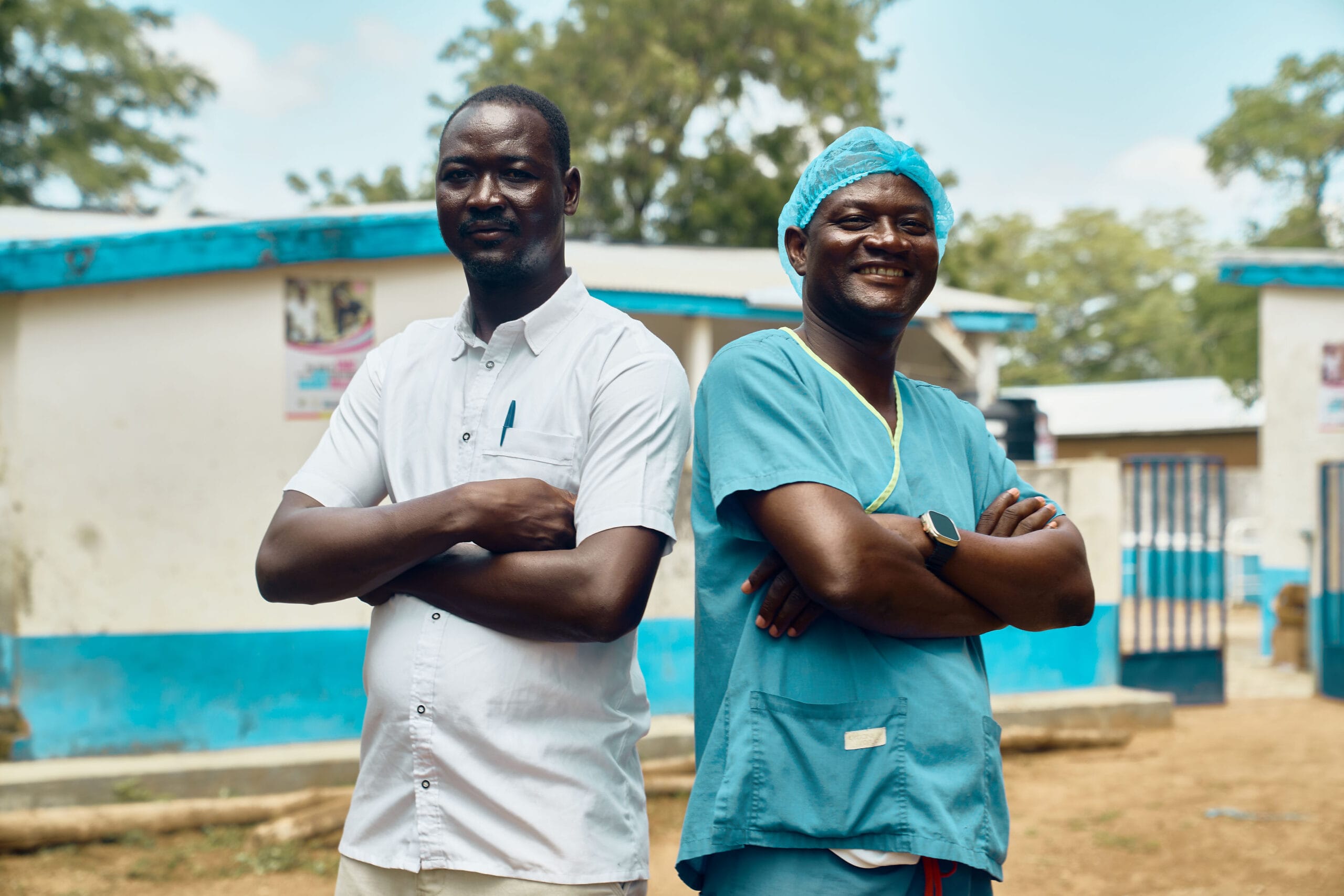
Every well drilled, every training session held, and every hygiene club formed is strengthening the foundation of rural health. Together with our partners at Ghana Health Service and UNICEF, Water for West Africa is building communities where mothers can deliver safely, children can thrive, and families can look forward to healthier tomorrows.
Clean water is more than a resource. It is life, dignity, and the first step toward lasting well-being.
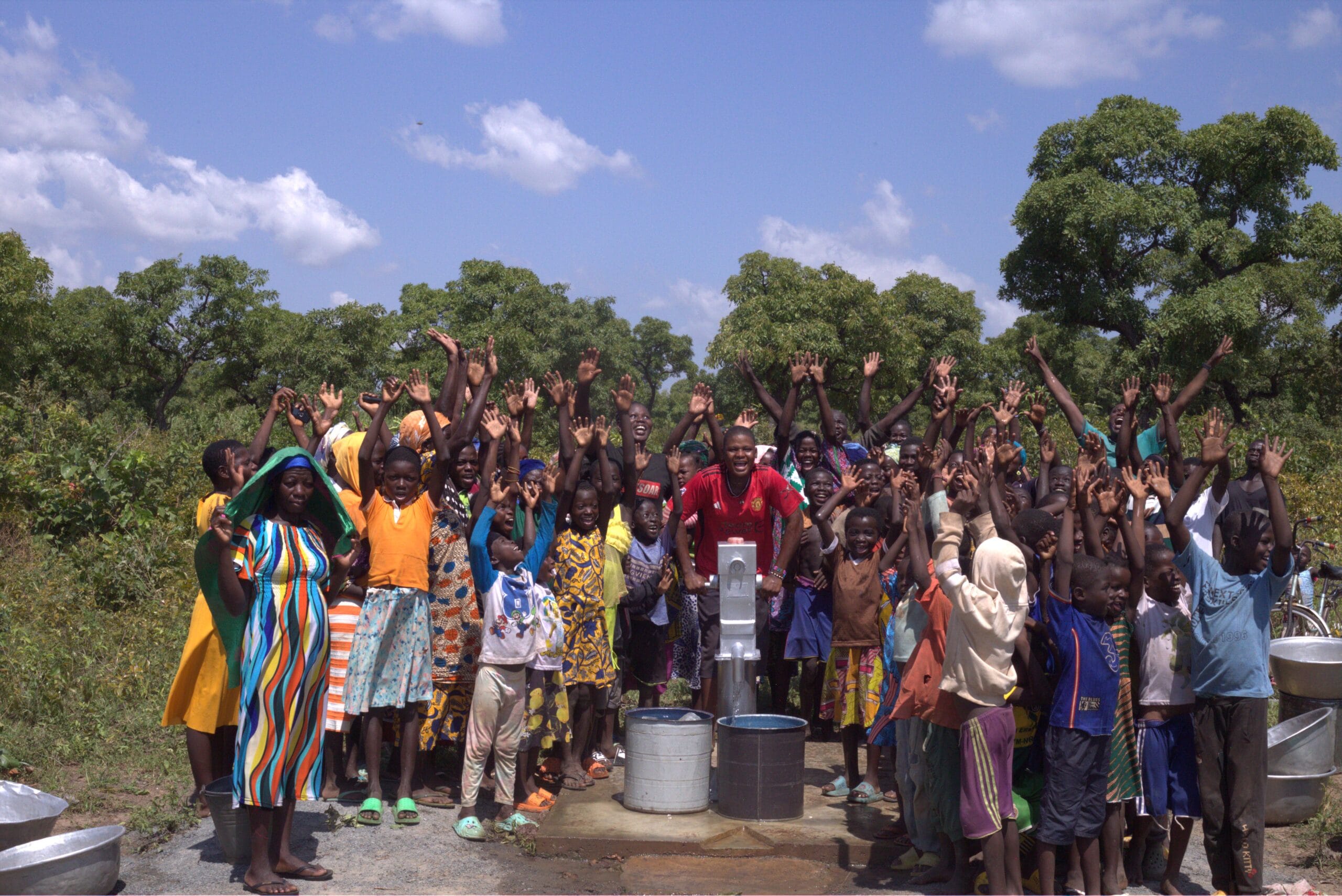
When you support Water for West Africa, you are strengthening the foundations of health for entire communities. You are helping mothers give birth safely, protecting children from preventable disease, and empowering families to live with dignity and confidence. A healthier future is rising across Northern Ghana and clean water is where it begins.